Books We Like the Looks Of: New Releases in February 2026
Our takes on six books forthcoming in February 2026, including novels, short story collections, and nonfiction.


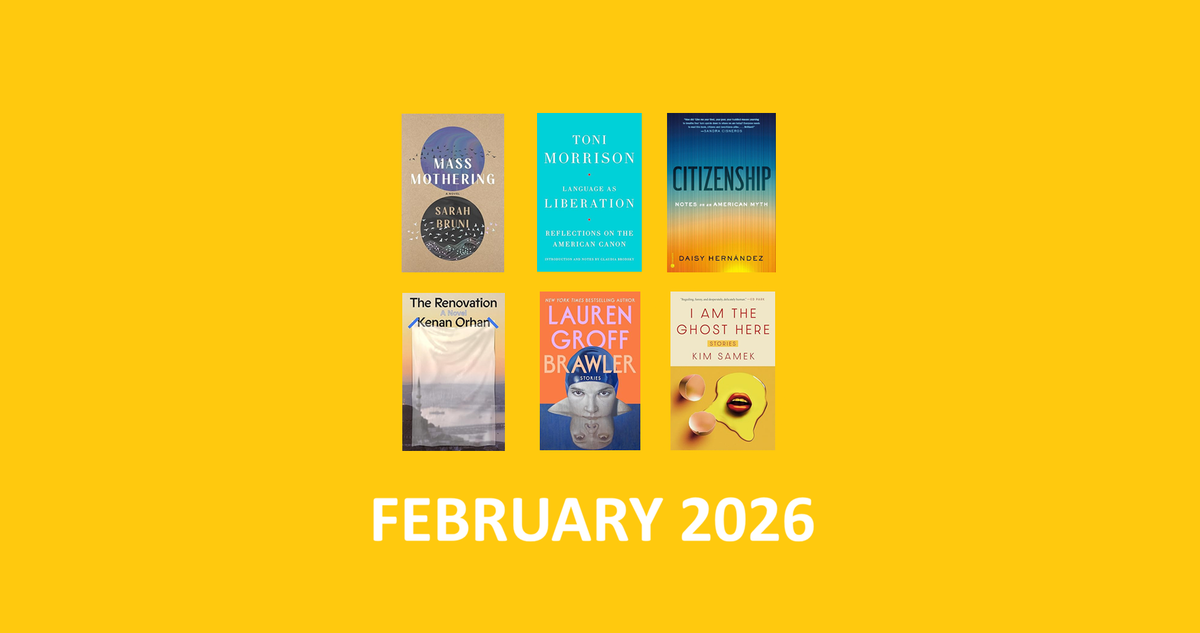
Welcome to the first installment of what will be an ongoing monthly feature. When we initially talked about starting Who Even Reads, we decided that we didn’t want to do reading lists. By which we meant things along the lines of “7 Works of Literary Fiction Set in the Cutthroat World of Cooking Competitions.” But we did want to cover upcoming books, and to give people regular glimpses into new releases, even ones we might not write about in depth. And sometimes a book list, like a beer or cheese sampler, is nice to share with friends. This one of February books isn’t meant to be exhaustive, or even include everything we personally are interested in, nor is it a selection meant to reflect one priority in particular. Rather, it’s a combination of titles we’re excited about, ones we think are worth highlighting because of their current relevance, and some that fall into both categories, plus links to corresponding materials like excerpts, and related books and stories.
Good-Looking Books Coming Out This February
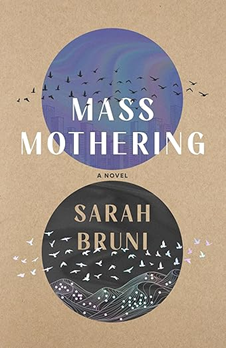
Mass Mothering by Sarah Bruni
Feb 3 | Henry Holt and Co. | 272 pages
This novel, which has been highly praised in early industry reviews and which we’ll cover in an upcoming article, may bring to mind ongoing anti-immigration (or more accurately, white supremacist) state violence in the United States, though Bruni’s book is heavily anonymized and universalized on the subject. It follows a young woman living in an American city who discovers an anthropological study documenting an incident in an unnamed country, in which boys and young men disappeared in what may have been a government-sanctioned operation. What seems especially relevant to current events is its significant focus on the act of documentation: its usefulness and its dangers.
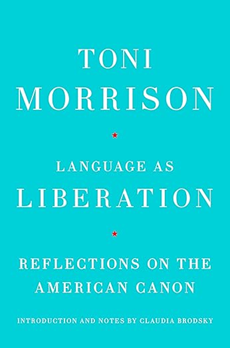
Language as Liberation by Toni Morrison
Feb 3 | Knopf | 240 pages
Anyone who has had their mind blown open by Toni Morrison’s brilliant Playing in the Dark: Whiteness and the Literary Imagination (originally published by Harvard University Press in 1992), an essential text of American literary criticism, knows she is vastly underrated when it comes to her critical contributions. This exciting posthumous collection of lectures looks to be a more in-depth exploration of how canonical American literature interacts with and creates racial identity, engaging with “Africanist” presences in the writing of white authors. A glimpse at the table of contents reveals analysis of work by Edgar Allan Poe, Herman Melville, Ernest Hemingway, Willa Cather, Flannery O’Connor, Carson McCullers, Gertrude Stein, William Styron, Saul Bellow, and more.
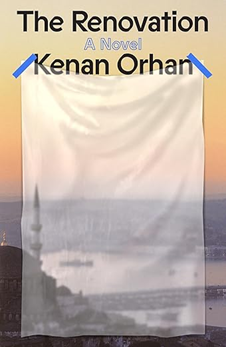
The Renovation by Kenan Orhan
Feb 10 | Farrar, Straus and Giroux | 256 pages
This novel is an expansion of a short story by Orhan published in The Atlantic in 2023, and you can now read an excerpt on the publisher’s page, linked above. It follows a woman from Istanbul, living in Italy, whose bathroom renovation produces unexpected results; when the workers finally leave and she steps into the altered space, she finds herself in a cell in a particular Turkish prison she recognizes. Despite the intense surreality of this situation, she remains beset by mundane concerns: caring for her father, who has dementia, and hiding the strange bathroom scenario from her husband to avoid upsetting him. Orhan’s writing is brimming with stark, everyday suspense that will appeal to readers of a certain disposition. We are of that disposition. Instead of asking, “Why is there a prison cell in my bathroom?” the narrator reflects, “This couldn’t have been happening at a worse time.” Oh, really? Please, tell us more.
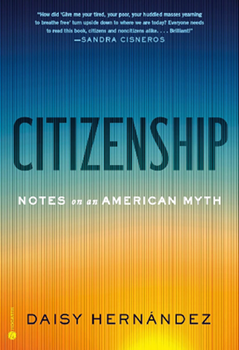
Citizenship by Daisy Hernández
Feb 17 | Hogarth | 304 pages
Daisy Hernández will soon be on tour for this book, starting in Chicago at one of our favorite independent bookstores, Women and Children First. This seems fitting and fortuitous considering the subject matter of Citizenship and that Chicago has recently, like Minneapolis, become a hotbed of ICE activity as well as anti-ICE organizing, much of which has happened through community hubs like bookstores. Hernández is the author of the queer coming-of-age memoir A Cup of Water Under My Bed (originally published by Beacon Press in 2014), and of The Kissing Bug (2022), about her aunt’s death from Chagas disease, the downplayed prevalence of this illness that affects the Latinx community disproportionately, and how racism and for-profit healthcare have contributed to keeping its presence relatively unknown. Citizenship also uses memoir as a microcosm of a larger political whole, exploring the immigration stories of Hernández’s Cuban and Colombian parents.
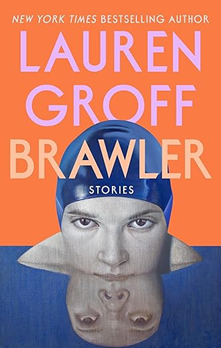
Brawler by Lauren Groff
Feb 24 | Riverhead Books | 288 pages
Groff's first story collection since Florida (2018) spans genres and historical eras and features the author's trademark shimmering prose and Flannery O'Connor-esque mounting dread. In "The Wind," the collection's breathless opener, a woman and her children attempt to flee their abusive husband and father, who is a member of law enforcement. "Between the Shadow and the Soul" explores a middle-aged woman's electric shock of new intimacy after joining a gardening club. A novella-length story called "What's the Time, Mr. Wolf" skewers mediocre men born to old-money families as a man named Chip, drying out from his alcoholism and failure to launch in his career at the family bank, grapples with his attraction to a townie who doesn't want to be his girlfriend. Biting, funny, frequently emotionally devastating, Groff cements her status as a master of the short form. You can read the collection's title story in The New Yorker.
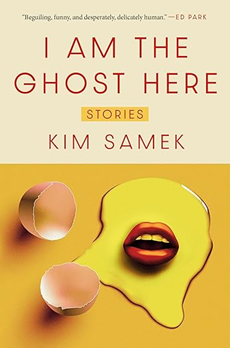
I Am the Ghost Here by Kim Samek
Feb 24 | The Dial Press | 224 pages
The title story of Kim Samek’s I Am the Ghost Here, published by Guernica, offers an enticing view into this weird-looking debut collection. It employs the concept of wealthy people using “puppeteers” to cartoon-rat-ratatouille them in social situations. The main character’s brother has hired a puppeteer, and questions are raised about identity, autonomy, and societal expectations when their Thai family learns that a white woman has been engineering his personality. This is a sophisticated and confident example of a speculative concept being applied to character fiction. The premise never wears thin but only turns deeper into itself, leaving the reader with plenty more to speculate on.
Who Even Reads is an independent publication run by two hardworking editorial professionals. We write about books from a liberation perspective, with a socially conscious focus that's both fun and serious, covering mostly new releases. Your donations subsidize what we do. Learn about us.